Friday, 6 March 2026
News — New minigrid finance course integrates AI in the AMP Capacity Building Program.
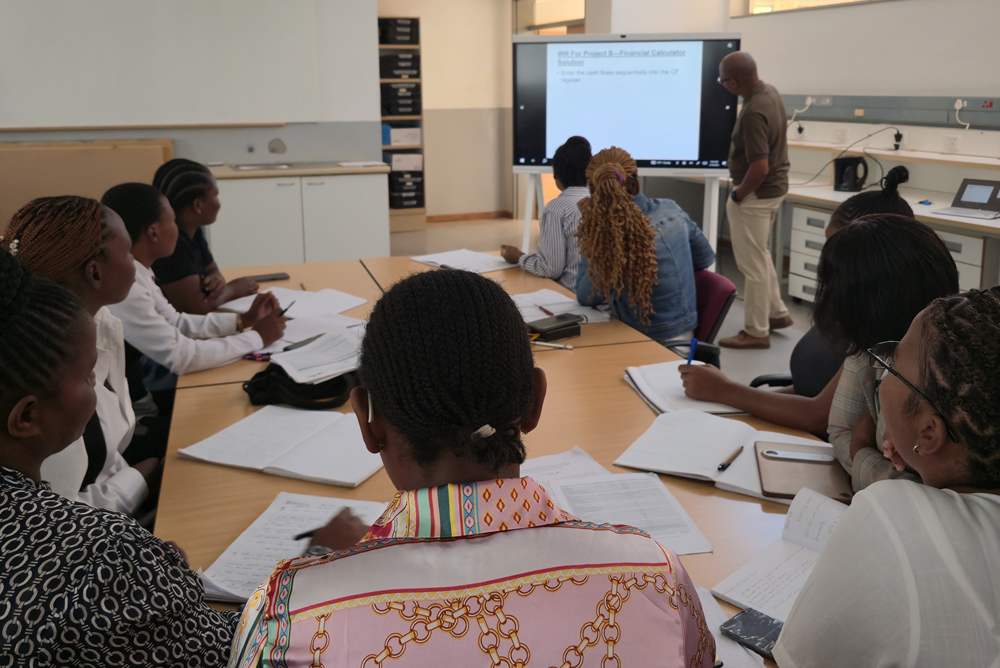
The shift to sustainable energy goes beyond infrastructure - it demands the power of Artificial Intelligence (AI) to shape a data-driven and scientifically informed roadmap to sustainability. In a bold step aligned with global technological trends, the second cohort of the Minigrids Capacity Building Programme, implemented by the University of Eswatini's (UNESWA) Centre for Sustainable Energy Research (CSER) on behalf of the Africa Minigrids Program (AMP), has introduced a forward-looking finance module that incorporates Artificial Intelligence (AI) tools, equipping participants with next-generation skills to accelerate minigrid development. At a time when energy access, financial innovation and digital transformation are converging, this new approach positions the programme at the cutting edge of community-based renewable energy solutions. The newly introduced finance module, to be delivered through UNESWA's AI Academy, goes beyond traditional project financing theory. It integrates AI-driven tools that enhance financial modelling, grant application processes and investment readiness for minigrid projects. Speaking on the integration of AI in the Minigrids Capacity Building Program, Professor Simiso Mkhonta outlined how the program will train program participants to leverage AI when working with minigrids. ''This is because of its ability to strengthen financial projections and cash flow modelling, improve load forecasting accuracy to enhance revenue planning and help analyse consumption patterns for Productive Energy Use'', he said. Professor Mkhonta also outlined how AI tools can help streamline and strengthen grant funding applications and identify optimal business models based on data insights.
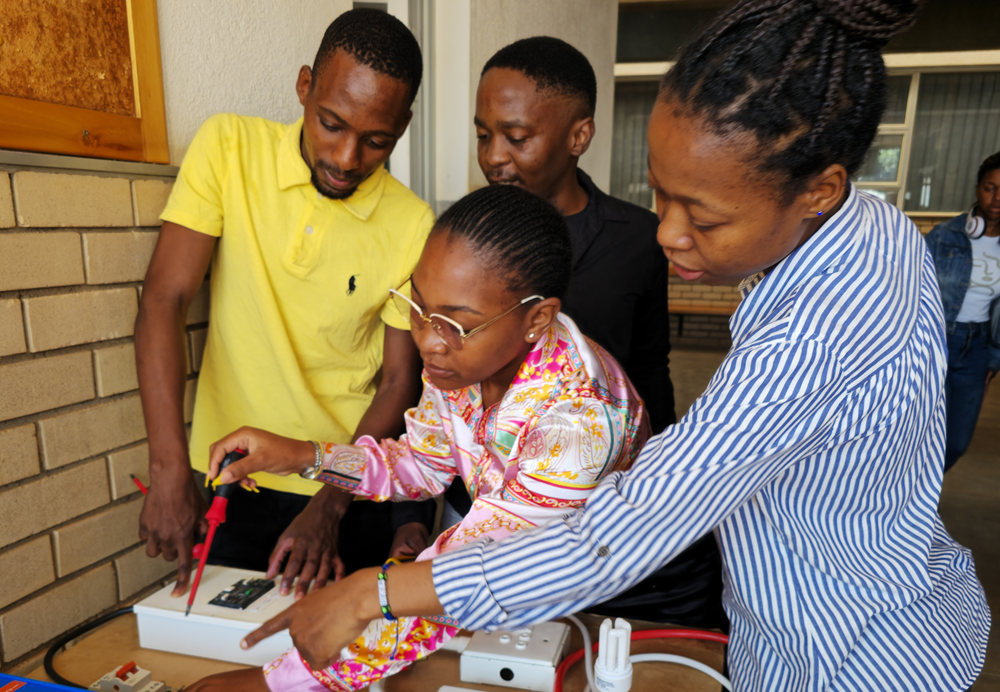
The integration of AI into minigrid finance training also acknowledges a fundamental shift in the energy sector where data-driven decision-making is becoming essential for project bankability and sustainability. AI tools can also rapidly process large datasets, simulate financial scenarios, assess risk, and optimise system sizing, reducing uncertainty for investors and developers alike. For community minigrids, where margins can be tight and capital access limited, such precision can mean the difference between viability and failure.
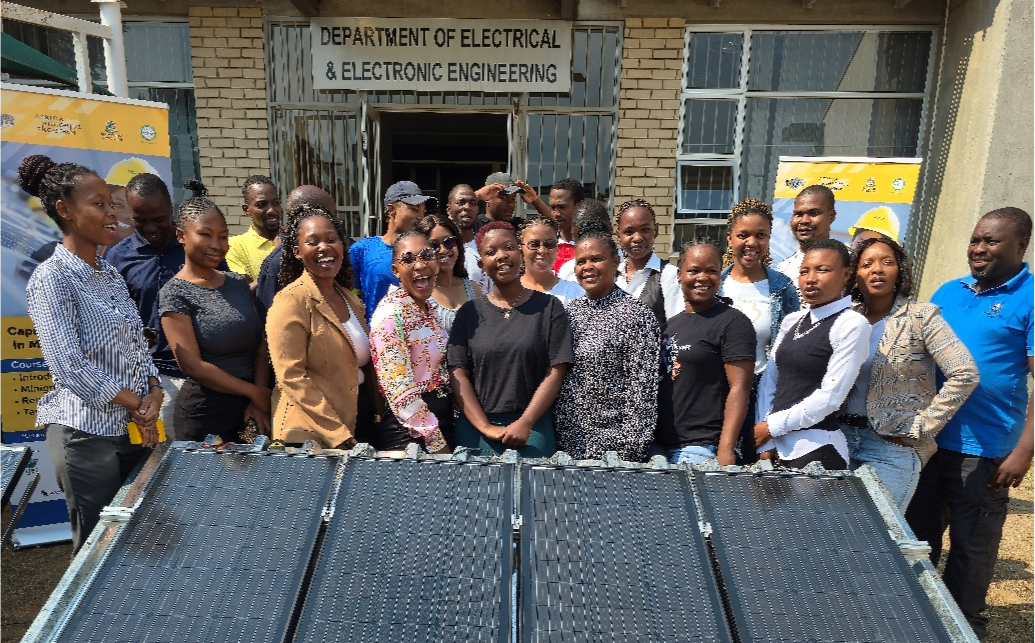
AI as a technological upgrade and strategic enabler for minigrids can also improve demand forecasting, promote smarter financial planning and build up stronger investment cases by building data-backed feasibility studies and AI-assisted financial modelling to increase investor confidence and improve access to grants and blended finance. Furthermore, integrating AI tools into minigrid finance can also accelerate community impact by linking financial models to data on Productive Energy Use. Over one hundred students are currently enrolled for Cohort 2 of the in-person and online classes for the Minigrids Capacity Building Program, which commenced on the 26th of January 2026. Of these, 21 are international participants from South Africa, Kenya, Nigeria, Namibia, Malawi, Tanzania, Ghana, the USA and Nepal, amongst other countries.
The online and in-person cohorts are running parallel to each other having already covered modules such as Design Parameters for Minigrids, Load Forecasting and Productive Energy Use Management amongst other programs. The Community Minigrid Development Capacity Building Programme, is a vocational training program that is fully sponsored by the Africa Minigrids Program AMP Eswatini which is a technical assistance program that promotes Digital Knowledge Management amongst its broad program components.