Monday, 15 December 2025
News — AMP Eswatini engages stakeholders to shape the country’s future Minigrid Delivery Model
In a decisive step towards accelerating universal access to clean and affordable energy, the Eswatini Africa Minigrids Program (AMP) convened a national stakeholder consultation workshop to discuss Eswatini’s most suitable minigrid delivery model that aligns with the country’s electrification needs, regulatory landscape, and earmarked plans for private sector participation. The convening of the workshop, which targeted private sector players who are active in the renewable energy space, marked a critical moment in Eswatini’s drive towards ensuring universal access to electricity. The workshop aligns well with the goal of expanding renewable energy-based minigrids, enhance private sector participation and strengthen the regulatory foundation that will guide future investments in the minigrid sector.
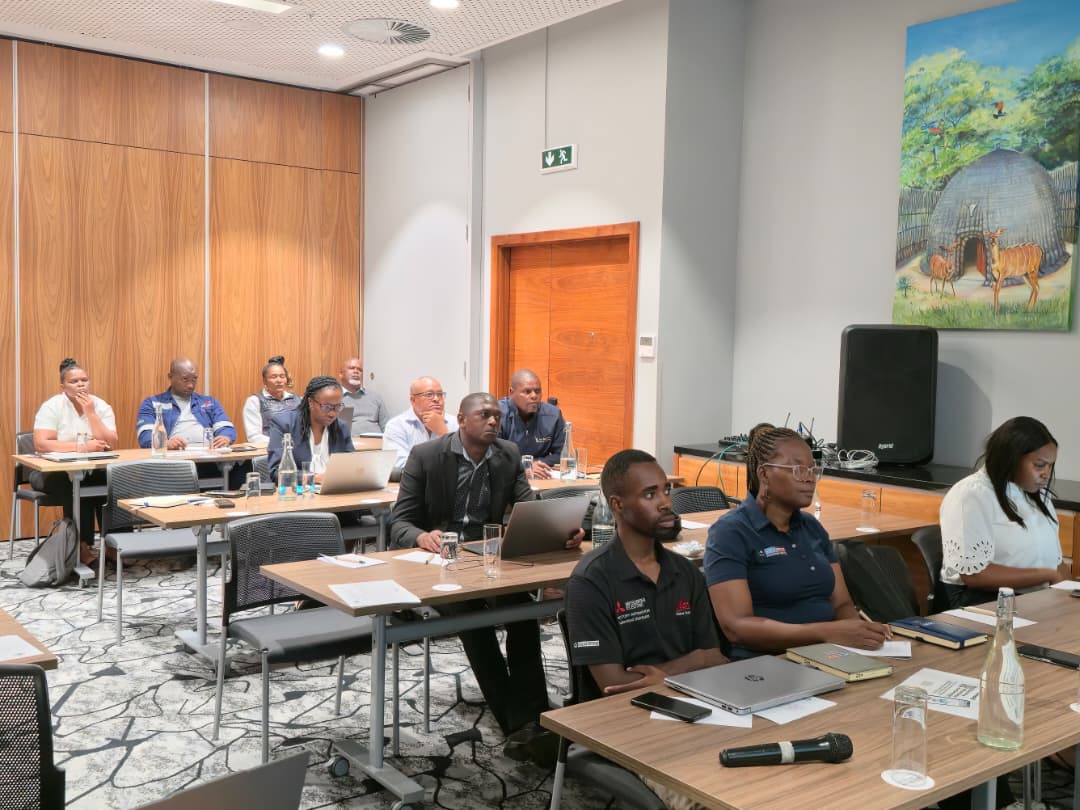
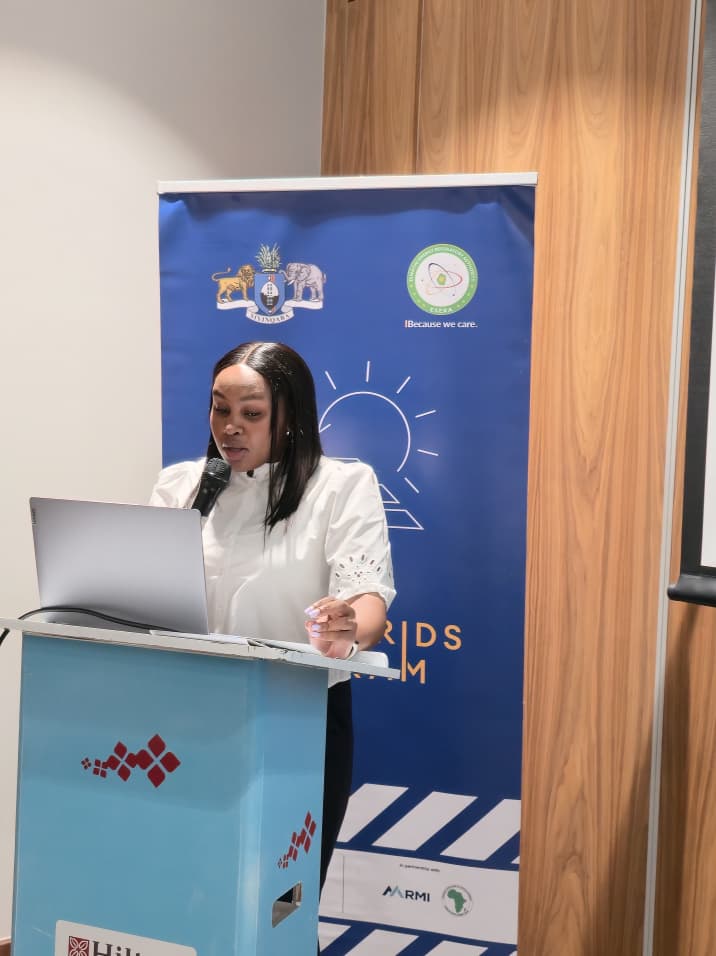
As a build-up to the workshop, the AMP had undertaken a series of activities which included a pre-analysis of the state of Eswatini’s minigrid sector, stakeholder mapping to ensure inclusive participation and the development of an Action Plan to guide stakeholder consultations. Therefore, to give context to the attendees before the commencement of the consultations, the AMP’s Regional Minigrid Policy and Regulations expert, Jacob Schmidt Reindahl, presented on the different types of minigrid delivery models. This was followed by a plenary session whose aim was to capture the participants perspectives on the four key elements that define minigrid delivery models, which include ownership of minigrid assets and operations, levels of public financing or subsidies required, electricity tariff expectations as well as procurement and site allocation mechanisms.
.jpeg)
AMP Eswatini engages stakeholders to shape the country’s future Minigrid Delivery Model
Plenary highlights
The plenary session therefore included discussions over the extent to which the private sector stakeholders and the government should have control over minigrid assets and operations. Different views were noted from the stakeholders, with some advocating for strong public oversight to ensure equitable access, while others favoured more private sector autonomy to drive innovation and efficiency. The discussion thereby highlighted the need for a hybrid approach that protects public interests while encouraging private investment.
AMP Eswatini engages stakeholders to shape the country’s future Minigrid Delivery Model
On procurement and site allocation approaches, participants deliberated on whether the government should centrally procure minigrid developers and allocate sites or allow market forces to determine investment locations. Workshop attendees outlined how market-driven allocations could stimulate faster deployment since central procurement ensures alignment with national priorities. The workshop participants, however underlined the need for clarity, transparency, and fairness regardless of the chosen approach.
Another key discussion point was the level of public funding necessary to attract private sector participation, where questions were focused on whether the government should finance initial capital investments, operating expenses, risk mitigation mechanisms, or a combination of these. Many agreed that targeted subsidies could make minigrid projects financially viable in remote, low-income areas where returns may be limited.
Moving on, Eswatini’s readiness to implement a robust regulatory framework for minigrids was assessed and emphasis was made on the need for clear policies, standardised tools, and transparent licensing processes. Energy industry stakeholders thereby acknowledged the need for strong regulation to build confidence amongst private investors while protecting consumers. Summatively, the open dialogue during the workshop reflected the importance of balancing public oversight with market-driven participation while ensuring affordability for end-users.
Charting a path forward
The consultation workshop served as a meaningful platform for dialogue, insight-sharing, and consensus-building, whilst the inputs gathered will directly inform the development of Eswatini’s preferred minigrid delivery model, one that is realistic, inclusive, and capable of stimulating sustainable energy investments. As the Africa Minigrids Programme progresses, stakeholder input from the AMP Draft Delivery Model will be captured to refine and finalise a model that strengthens Eswatini’s renewable energy sector and accelerates access to modern electricity services, particularly in underserved communities.
AMP Eswatini engages stakeholders to shape the country’s future Minigrid Delivery Model